
Jordan is one of the most fascinating destinations in the Middle East — a country where ancient history, dramatic landscapes, and warm hospitality come together in one unforgettable experience. Whether you're planning your first visit or returning for more, this comprehensive guide covers everything you need to know for 2026.
In This Guide
Why Visit Jordan?
Jordan sits at the crossroads of civilizations. In a single week, you can walk through a 2,000-year-old Nabataean city carved into rose-red cliffs, float effortlessly in the Dead Sea at the lowest point on Earth, camp under a blanket of stars in Wadi Rum's Martian desert, and explore perfectly preserved Roman cities that rival anything in Italy.
But Jordan is more than its landmarks. It's the warm welcome of its people, the fragrant spices in an Amman street market, the call to prayer echoing across ancient hills, and the genuine hospitality that has defined Bedouin culture for millennia. Jordan is a destination that touches every sense and stays with you long after you leave.

Visa & Entry Requirements
Most nationalities can obtain a visa on arrival at Queen Alia International Airport in Amman. The single-entry tourist visa is valid for 30 days. However, the smartest option for most travelers is the Jordan Pass, which bundles your visa fee with entry to over 40 attractions including Petra.
Key requirements for entry:
- A passport valid for at least 6 months beyond your arrival date
- Proof of onward travel (return ticket)
- A minimum stay of 3 consecutive nights in Jordan (if using the Jordan Pass for visa waiver)
- No vaccination certificate is currently required, though COVID-era requirements have been fully lifted
If you're arriving via the Aqaba Special Economic Zone (by air or sea), you may receive a free visa for stays of up to 30 days. Always check with your nearest Jordanian embassy for the most current requirements before traveling.
Best Time to Visit Jordan
Jordan has a Mediterranean climate in the north and a desert climate in the south. The best months to visit are:
- March to May (Spring): Perfect temperatures (20–28°C), wildflowers blooming across the hills, ideal for hiking in Dana and exploring Petra comfortably.
- September to November (Autumn): Similar pleasant weather, fewer crowds than spring, warm evenings perfect for desert camping in Wadi Rum.
Summer (June–August) brings intense heat especially in the Jordan Valley, Wadi Rum, and Aqaba, with temperatures exceeding 40°C. Winter (December–February) is mild in the Dead Sea area and Aqaba, but Amman and the northern highlands can be cold and rainy — occasionally even seeing snow.
Top Destinations You Can't Miss
Petra — The Rose City
No trip to Jordan is complete without Petra. This UNESCO World Heritage Site and one of the New Seven Wonders of the World was the capital of the Nabataean Kingdom over 2,000 years ago. Walking through the narrow Siq canyon and seeing the Treasury emerge before you is a moment that takes your breath away. Plan at least two full days — there's far more than just the Treasury, including the Royal Tombs, the Monastery (a 900-step climb with spectacular views), the High Place of Sacrifice, and the colorful sandstone landscapes that stretch for miles.
Wadi Rum — The Valley of the Moon
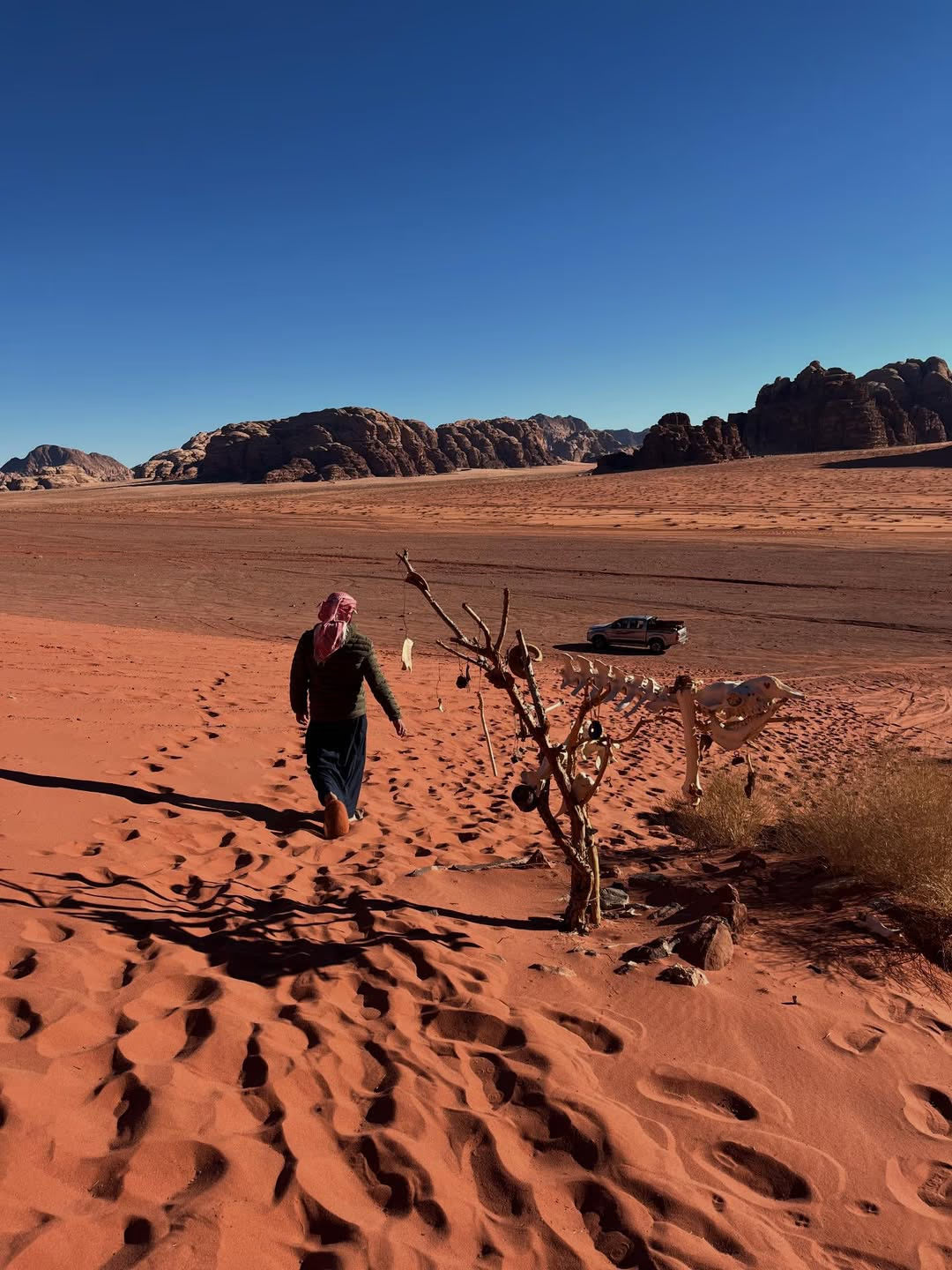
Known as the Valley of the Moon, Wadi Rum is a vast desert landscape of towering sandstone mountains, natural rock bridges, and ancient petroglyphs. It's where Lawrence of Arabia crossed the desert and where Matt Damon "survived" in The Martian. Experience it by 4x4 jeep, camelback, or on foot — then spend the night in a Bedouin camp watching stars appear in the clearest sky you've ever seen.
The Dead Sea
At 430 meters below sea level, the Dead Sea is the lowest point on Earth. Its waters are nearly 10 times saltier than the ocean, making it impossible to sink. Float effortlessly on the surface, coat yourself in mineral-rich black mud, and enjoy the surreal beauty of this geological wonder. The Dead Sea shore is also home to luxury resorts and wellness retreats.
Amman — The Capital
Modern and ancient exist side by side in Jordan's capital. Explore the Citadel and Roman Theatre, wander through colorful Rainbow Street, bargain in the downtown souks, and discover a thriving food and art scene. Amman is the perfect base for day trips to Jerash, Madaba, and the Dead Sea.
Jerash — Rome Away from Rome
One of the best-preserved Roman provincial cities in the world, Jerash features colonnaded streets, temples, theaters, and plazas that transport you back 2,000 years. It's just an hour north of Amman and often combined with visits to Ajloun Castle.
Dana Nature Reserve
Jordan's largest nature reserve spans four different bio-geographical zones, from sandstone cliffs to desert lowlands. It's a hiker's paradise with trails for all levels and one of the best places to see Jordan's wildlife, including the rare Nubian ibex.
Culture & Etiquette
Jordanians are among the most welcoming people you'll meet anywhere in the world. Here are some cultural tips to help you connect respectfully:
- Greetings: A warm "Marhaba" (hello) or "As-salamu alaykum" (peace be upon you) goes a long way. Jordanians greet each other warmly and will often invite you for tea.
- Dress: Jordan is relatively liberal, but modest clothing is appreciated, especially outside tourist areas and when visiting religious sites. Cover shoulders and knees.
- Photography: Always ask permission before photographing people, especially women and in rural areas.
- Ramadan: If visiting during Ramadan, be mindful of those fasting. Avoid eating, drinking, or smoking in public during daylight hours out of respect.
- Tipping: Tipping is welcomed but never demanded. A small tip for guides, drivers, and restaurant staff is customary and appreciated.
Safety & Practical Tips
Jordan is widely regarded as one of the safest countries in the Middle East. Millions of tourists visit each year without incident. The country has a strong security infrastructure and the Jordanian people are genuinely protective of their guests.
- Currency: The Jordanian Dinar (JOD) is the local currency. Credit cards are accepted at hotels and major restaurants, but carry cash for markets, taxis, and smaller shops.
- Language: Arabic is the official language, but English is widely spoken in tourist areas, hotels, and by younger Jordanians.
- Water: Tap water in Amman is generally safe, but most travelers prefer bottled water. Stay well-hydrated, especially in summer.
- SIM cards: Pick up a local SIM at the airport for affordable data. Zain, Orange, and Umniah are the main providers.
- Electricity: Jordan uses Type B, C, D, F, G, and J plugs. Voltage is 230V. Bring a universal adapter.
Getting Around Jordan
The most popular ways to travel around Jordan include:
- Organized tours: The most comfortable and comprehensive way to see Jordan. A local guide handles transportation, navigation, and provides invaluable cultural context.
- Rental cars: Roads between major cities are well-maintained. An international driving permit is recommended though not always required.
- JETT buses: The national bus service connects Amman to major destinations like Petra, Aqaba, and the Dead Sea.
- Taxis and ride-sharing: Uber and Careem operate in Amman. Yellow taxis are everywhere — agree on a fare before starting or insist on the meter.
The Jordan Pass
The Jordan Pass is the best value for any visitor. It includes:
- Visa fee waiver (saving 40 JOD)
- Entry to 40+ attractions across Jordan
- Petra entry (1-day, 2-day, or 3-day options)
You must purchase the Jordan Pass online before arriving in Jordan and stay at least 3 consecutive nights. For anyone planning to visit Petra and at least one other attraction, it pays for itself immediately.
Ready to Start Planning Your Jordan Adventure?
Our local team knows every corner of Jordan. Let us help you create an itinerary that matches your interests, pace, and travel style.
Plan Your Trip