
Most people visit Jordan for Petra, Wadi Rum, and the Dead Sea — and never make it to Aqaba. That is their loss. Jordan's only coastal city is a world-class Red Sea destination: crystal-clear turquoise water, thriving coral reefs, year-round sunshine, and an authentic Arab port town atmosphere entirely unlike any beach resort you've visited before. Whether you're a certified diver, a first-time snorkeler, a history enthusiast, or simply someone who wants to end a Jordan trip with their feet in the sea, Aqaba delivers.
In This Guide
Why Aqaba Deserves Your Attention
Aqaba sits at the very tip of the Gulf of Aqaba, the northeastern finger of the Red Sea, at a geography so remarkable that four countries share the same body of water — Jordan, Israel, Egypt, and Saudi Arabia. Stand on Aqaba's northern beach on a clear day and you can see all four simultaneously: the lights of Eilat glittering to the north, the Sinai Mountains of Egypt rising across the gulf to the west, and the shores of Saudi Arabia to the south.
The Red Sea at Aqaba is extraordinary for one specific reason: the combination of warm, nutrient-rich water with exceptional clarity — visibility regularly reaches 20–30 meters — has produced coral ecosystems of remarkable diversity and health. The Gulf of Aqaba is one of the few areas of the Red Sea protected from the strong currents of the open sea, which means its corals have developed largely undisturbed for thousands of years. Marine biologists rate Aqaba's reefs among the top 10 most biodiverse in the world.
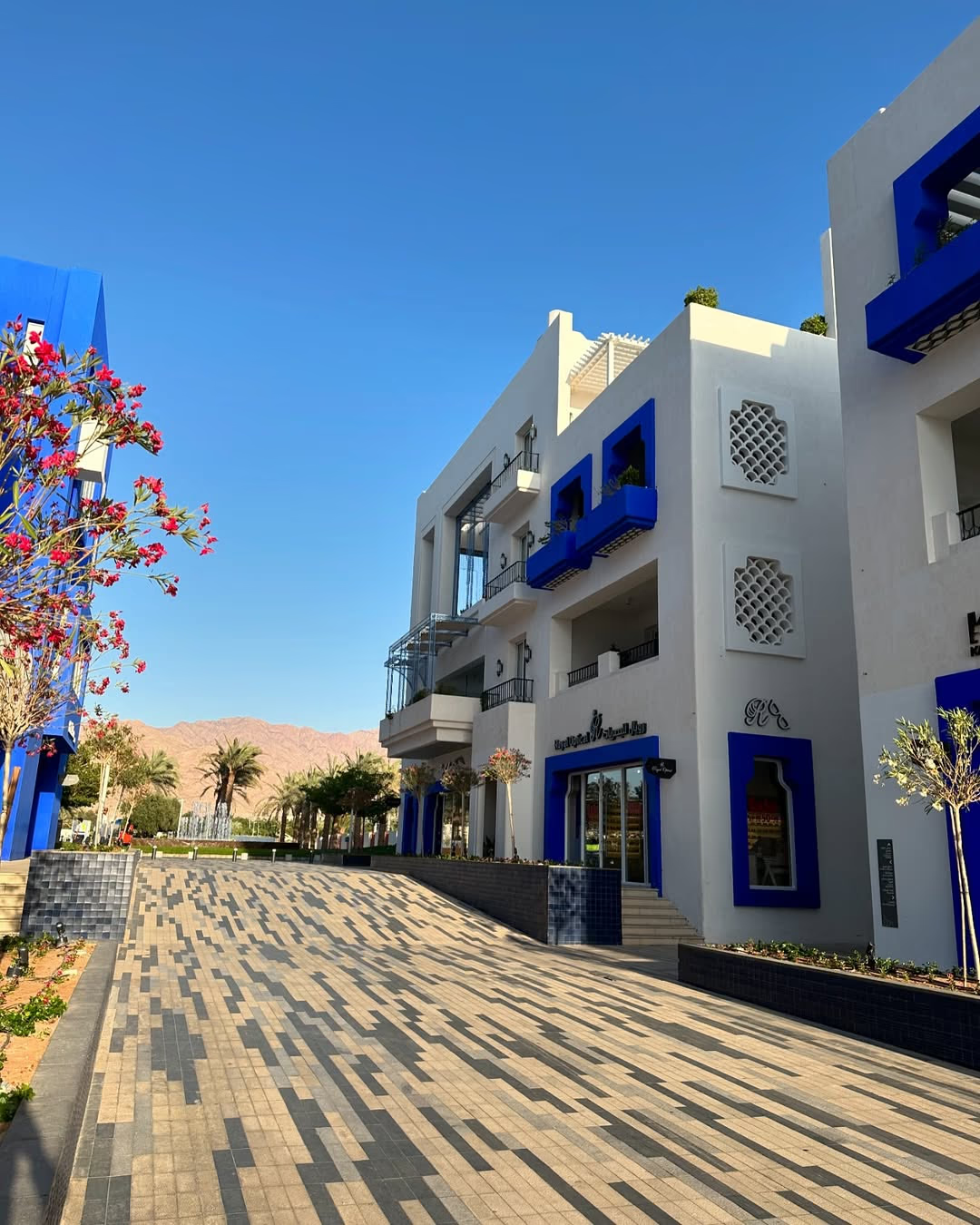
Beyond the marine environment, Aqaba is a genuinely enjoyable city. Its corniche (waterfront promenade) is lined with seafood restaurants, café terraces, and the constant movement of container ships, fishing dhows, and pleasure boats. The old city behind the port retains its traditional character — narrow lanes, street food vendors, spice sellers, and the beautiful Aqaba Fort built in the early 16th century by the Mamluk Sultan. Lawrence of Arabia captured the fort during the Arab Revolt in 1917, and a display inside commemorates the event.
Scuba Diving in Aqaba
Aqaba is one of the most accessible scuba diving destinations in the world. No boat required for many of the best sites — you can simply walk into the water from the shore and descend directly onto the reef. This makes it ideal for beginners and for divers who prefer the freedom of shore diving over boat schedules.
The Best Dive Sites
The Japanese Garden: The most celebrated dive site in Jordan, the Japanese Garden is a shallow reef (maximum depth 13 meters) carpeted in a stunning variety of hard corals — brain corals, table corals, plate corals — interspersed with sea fans and gorgonians. The diversity of fish life is extraordinary: angelfish, butterflyfish, parrotfish, wrasse, pufferfish, moray eels, and the occasional sea turtle gliding overhead. This is the ideal first-dive site for visitors new to Aqaba, and remains endlessly rewarding for experienced divers.
The Cedar Pride: Jordan's most famous wreck dive. The Cedar Pride was a Lebanese cargo ship deliberately sunk in 1985 to create an artificial reef. Lying at depths of 5–27 meters on its port side, the wreck is now completely encrusted with corals and sponges and home to enormous schools of glassfish, grouper, and lionfish. The cargo holds can be safely entered. Suitable from Open Water certification upward.
The Black Rock: A dramatic volcanic rock formation that drops to 35 meters in a series of ledges and caves. Famous for large pelagic species — reef sharks, barracuda, napoleon wrasse, and schools of trevally patrol the deeper sections. An Advanced Open Water site with genuinely thrilling encounters.
The Power Station Reef: Directly accessible from the Marine Park's public beach, this reef slopes from 3 to 25 meters and is one of the best sites for night diving in Jordan. After dark, the reef transforms — sleeping parrotfish, hunting octopus, basket starfish emerging from their daytime hiding places, and the occasional lobster patrolling the sandy bottom.
The First Bay (Gorgonia): Named for the vast forest of sea fans (gorgonian corals) growing on the reef wall between 15 and 30 meters. This is a wall dive with dramatic topography — overhangs, swim-throughs, and vertical reef faces covered in invertebrate life. Nudibranchs enthusiasts will find exceptional diversity here.
Dive Centers
Aqaba has a well-established network of professional PADI and SSI dive centers offering everything from introductory Discover Scuba programs to Divemaster training. All centers provide equipment rental, guided dives, and pick-up from Aqaba hotels. Our Jordan Passion team can connect you with the best dive operators for your experience level.
Snorkeling for Non-Divers
You don't need scuba certification to experience Aqaba's marine world. The coral reefs begin literally at the water's edge in several locations, meaning a mask, snorkel, and fins (available to rent from every dive center) are all you need.
The Aqaba Marine Park, established in 1997, protects the entire coastline south of the city. The park's public access beach provides free entry and immediate access to healthy reef shallows. The coral begins within 5 meters of the shore and the water is clear enough to see everything from the surface.
The Japanese Garden is equally spectacular for snorkelers in its upper sections — most of the hard coral structures are at 3–8 meters depth, clearly visible from the surface on a calm day. Schools of brilliantly colored reef fish swirl around the coral heads while larger species cruise the sandy channels between formations.
For the best snorkeling experience, go early morning (before 10 AM) when the water surface is calm, visibility is maximum, and marine life activity is at its peak. Avoid swimming over live coral — even a gentle contact from fins or hands can break decades of coral growth.
Beaches & Beach Clubs
Aqaba's public and private beaches line the 27 kilometers of Jordanian coastline south of the city. Options range from free public access beaches at the Marine Park to fully equipped beach clubs at the major resort hotels.
The Berenice Beach Club and similar private beach clubs offer sun loungers, towel service, watersports equipment, restaurants, and access to the shoreline for a day fee. For families, these provide the most comfortable base for a beach day — shaded seating, children's play areas, lifeguards, and all facilities on-site.
The South Beach area (beyond the industrial port zone) is where the best sand and clearest water are found. The Jordan Marine Park Authority maintains the southern stretch, keeping it clean and controlled — no motorized watersports within the protected zone, which makes the water quieter and safer for swimming and snorkeling.
One practical note: Aqaba is a working port city and some beach areas directly in front of the city have less clear water due to boat traffic. Always head south from the city center for the best beach and reef quality.
Beyond the Water: What Else to Do in Aqaba
Aqaba Fort (Mamluk Castle)
Standing at the edge of the city center, the Aqaba Fort (also called Aqaba Castle or Qasr Al-Aqaba) was built in the early 16th century during the Mamluk period on the foundations of a much older Crusader structure. The fort controlled the vital trade route between the Red Sea and the Levant for centuries. During the Arab Revolt of 1917, Emir Faisal and T.E. Lawrence (Lawrence of Arabia) led a surprise attack that captured the fort from Ottoman forces — an event later depicted in the 1962 film "Lawrence of Arabia." A large Hashemite flag and commemorative displays mark the site today. Entry is free and the courtyard, towers, and waterfront position make it one of the most photogenic sites in the city.
Aqaba Archaeological Museum
Housed in the former residence of Sharif Hussein bin Ali, the Aqaba Archaeological Museum holds an excellent collection tracing the city's 6,000-year history — from the bronze age settlement of Ayla to the Nabataean, Roman, Byzantine, Islamic, and Mamluk periods. The museum is small but very well-curated, and the building itself is historically significant. A must-visit for history enthusiasts, and conveniently located adjacent to the fort.
Glass-Bottom Boat Tours
For those who prefer to stay dry, glass-bottom boat tours offer a window directly into the reef world below. Boats depart from the city's marina throughout the day, running over the main reef areas south of the city. The glass panels provide a surprisingly clear view of coral formations and fish life 3–8 meters below. Trips typically last 1–2 hours and are suitable for all ages.
Wadi Rum Day Trip
Aqaba makes an excellent base for a day trip to Wadi Rum, just 60 kilometers northeast. The drive takes approximately 45 minutes and passes through dramatic desert scenery. Many travelers combine a Wadi Rum desert experience with an Aqaba beach stay in the same trip, creating a perfect contrast of landscapes.
Where to Eat in Aqaba
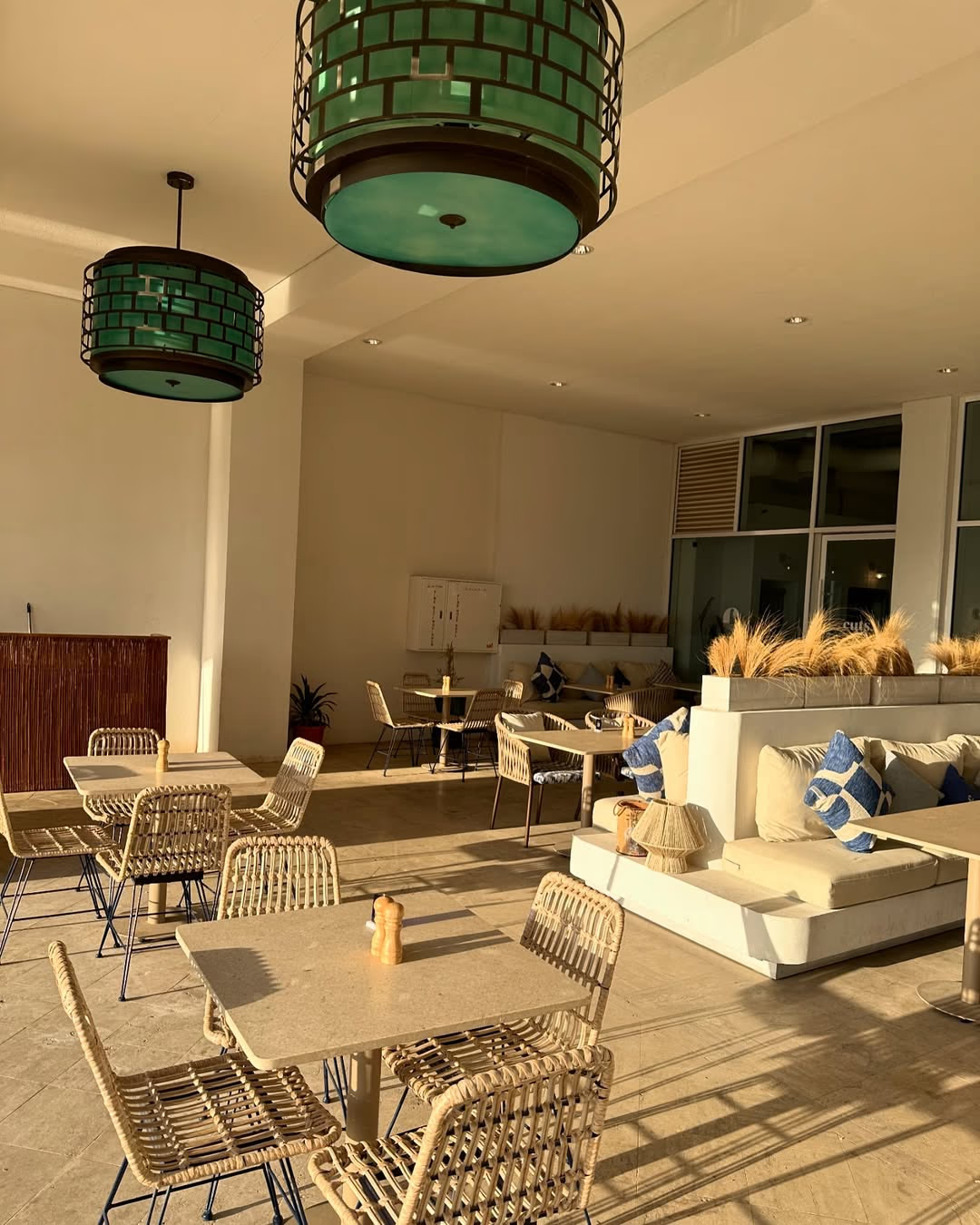
Aqaba's restaurant scene is dominated by fresh seafood — and for good reason. The daily fishing catch from the Red Sea arrives at the city's fish market every morning, and the best restaurants source direct from the boats. Here's what to look for:
- Maezel Seafood Restaurant: A local institution on the corniche serving grilled whole fish, shrimp, and traditional mezze. Order the hammour (grouper) if available — it's the finest eating fish in the Red Sea.
- Al Bahr Restaurant: Terrace seating directly over the water with views across to Eilat. The seafood platter for two is legendary among regular visitors.
- The Red Sea Grill: Reliable international seafood menu in a clean, modern setting — good for families and those seeking familiar preparations alongside Jordanian specialties.
- Local Street Food: Wander the streets behind the fort for falafel stands, shawarma, and the extraordinary knafeh — a hot cheese and shredded pastry dessert soaked in rosewater syrup — at small local bakeries.
Practical Information for Visiting Aqaba
- Location: 330 kilometers south of Amman (3–3.5 hour drive) and 90 kilometers from Petra via the Desert Highway. Aqaba has its own King Hussein International Airport with direct flights from several regional hubs.
- Free Zone: Aqaba is Jordan's Special Economic Zone, which means no consumption tax is charged on goods purchased in the city. This makes it notably cheaper for shopping and dining than the rest of Jordan.
- Water temperature: The Red Sea stays warm year-round: 21–24°C in winter (December–March) and 26–29°C in summer. A wetsuit is not required in summer; a thin 3mm suit is comfortable for winter diving.
- Best months for diving: The reef is rewarding year-round, but April–June and September–November offer the best balance of water temperature, visibility, and reduced summer heat on land.
- Marine Park rules: No taking of any marine organism — coral, shells, fish, or sand. No touching or standing on live coral. No motorized watersports within the protected zone. These rules are actively enforced and protect one of Jordan's most valuable natural assets.
- Border crossing to Israel: The Yitzhak Rabin/Wadi Araba border crossing between Aqaba and Eilat is open most days. It is a convenient crossing for those combining Jordan with Israel or Sinai. Check current operating hours as they vary by season and may have security-based closures.
- Dress code: Aqaba is more relaxed than most of Jordan regarding beachwear — swimwear is perfectly appropriate on the beach and at beach clubs. However, cover up when walking in the city center and visiting the fort and museum.
Combining Aqaba with Wadi Rum: The Perfect Ending
The most popular way to finish a Jordan itinerary is with two nights at a Wadi Rum Bedouin camp followed by a night or two in Aqaba — a transition from the most dramatic desert landscape on Earth to the lapping warmth of the Red Sea. The contrast is extraordinary and deeply memorable.
From Wadi Rum village, Aqaba is approximately 60 kilometers (45 minutes). It is also possible to arrive in Jordan via Aqaba airport or the Israeli border crossing, begin your Jordan journey in reverse (Aqaba → Wadi Rum → Petra → Dead Sea → Amman), and depart from Amman — a particularly efficient itinerary for travelers connecting through different airports.
Our team specializes in crafting end-to-end Jordan itineraries that make the most of every region. Whether you want a full Jordan circuit, a focused Red Sea escape, or a diving trip combined with desert exploration — we build the experience around you.
Ready to Dive Into Aqaba?
Let our local Jordan experts arrange your Red Sea experience — certified dive guides, boat trips, beach days, and seamless connections to Wadi Rum and Petra.
Plan My Aqaba Trip